Calling Men In Is Not Soft. It Is Sacred and Necessary Work.
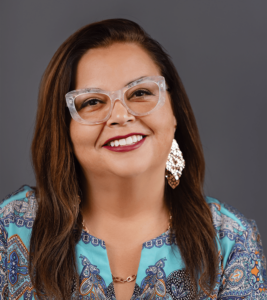
By Lina Juarbe Botella, Vice President of Community Engagement, A Call to Men
If I’m being honest, calling people out is much easier than calling someone in. When you call someone in, you ask a lot of them whether it’s commitment, curiosity, or accountability (especially in moments of tension). You also ask a lot of yourself – holding someone’s humanity with unconditional positive regard, holding hope, healing, and repair sometimes requires superhuman powers. However, it is so important that we seek it. Here, at A Call to Men, we believe calling men in is a crucial tenet of collective liberation. We don’t look at it as an excuse to evade accountability or even as a subtle ask of survivors and those in the margins of the margins (people who experience the most marginalization) to take on more pain. We look at it as an invitation to actively choose transformation over punishment while maintaining the belief that healing is a journey, not a destination.
This is not something that I speak to aspirationally, but from a place of experience, as I’ve seen the beauty that our work produces when we have these tough conversations. I’ve seen men intentionally deconstruct the harmful messages they’re inundated with and transform that energy into lovely outcomes. Whether it’s a deeper expression of love for their sons and partners or simply unearthing their own language for emotions like tenderness and grief, these moments remind us of what occurs when space for intentional dialogue around healing is cultivated. Furthermore, these spaces directly correlate to the safety of women, girls, and LGBTQIA+ communities, whose very livelihoods are dependent upon such accountability.
It’s no secret that the act of calling folx in requires us to lean into complexity, especially as it relates to the leaders, institutions and other prominent fixtures of society that we admire. Yes, a person can be a meaningful and impactful member of the community while actively causing harm. When we decide to protect a movement’s image, we fundamentally endorse the pain of the survivors it hurts. That’s why it’s incredibly important to reject the, unfortunately familiar, instinct to discredit survivors when their experiences conflict with those of the aggressor, despite how much this person has done for the community. When we believe survivors and have the necessary conversations, we help to create a world where someone’s truth doesn’t cost them their community.
Simply put, those of us in the margins of the margins cannot continue to experience the dangerous cycle of being harmed, communicating it, and then stewarding everyone else towards healing. We need men to listen, believe, and use their influence to amplify the voices of those who’ve been harmed. When we call men in, it’s a commitment to creating effective change while honoring the voices who’ve been harmed, silenced, and ostracized.
Three Takeaways for Readers
- Calling men in is an act of care, not avoidance or collusion. It does not excuse harm or minimize accountability. It creates the conditions for curiosity, responsibility, and transformation.
- We must be brave enough to hold truth and complexity. Protecting a person or movement’s image cannot matter more than protecting those who were harmed. Accountability requires believing survivors, asking harder questions, and refusing the comfort of silence.
- Men have a responsibility to lift the emotional labor. Women, survivors, LGBTQIA+ people, and marginalized communities cannot name, survive, explain, and repair harm alone. Men must listen, believe, show up, and use their voices to raise the volume.