Before the Algorithm Raises Them
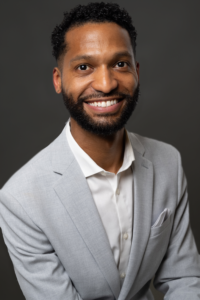
By DeManuel Edmondson, Coordinator of Youth Initiatives at A Call to Men
 The reason the manosphere has become increasingly popular in the digital age among boys and young men is simple — the teachings, despite how harmful, feel like a blueprint of sorts. When young boys search the internet for innocuous information like fitness, dating advice, or even help with confidence, they become prey to the manosphere without even realizing it. The messages, coincidentally, seem all too familiar, honing in on misogynistic tenets from treating women as property to viewing other men as competition. While this harmful messaging is far from new, the delivery is. Technological advances have now made it possible for these messages to be tailored in a way that feels consistent. For young men who may still be searching for who they are, that rhetoric can begin to look and feel like a skewed sense of belonging.
That’s why it’s imperative for adults, especially men, in young boys’ lives to step up. We can no longer allow our boys to be raised by misogyny, violence, and homophobia, especially now. If we’re going to successfully beat the algorithm, we have to approach it from a space of emotional safety. We cannot combat harmful ideologies by reinforcing them. This means that we cannot embarrass our boys or dismiss them when they repeat something harmful – we must call them in. We do this by cultivating relationships on solid enough foundations that difficult conversations become teachable moments. Healthy manhood is not only something to be explained and dissected, but it’s a way of life that we must model if we’re going to save those experiencing marginalization.
For years, I did my best to make it look like I had it all together, and I mistook that performance for discipline when it was really fear of being seen any other way (perfectionism is real when it comes to Virgos!). Sitting with discomfort meant learning to stay in hard moments without needing to look like I’ve already got it figured out, and finding the beauty in the imperfect version of me. If I’m asking a 15-year-old to sit with discomfort and own it instead of numbing and suppressing it, I have to be willing to show him what that actually looks like. It’s more than just telling him that it’s possible.
Thinking about what could have helped me feel like I belong, just as I am, I would have loved to see grown men speaking with respect, and even admiring, boys and men who don’t fit the mold of being “manly”, or weren’t into sports and moved through the world differently. Those who expressed themselves in ways the Man Box doesn’t allow. Respecting and honoring women to their faces and behind their backs. Plainly put, I’m still discovering who I am today and unlearning what the Man Box taught me before the manosphere existed.
I think, more than anything, boys need to know that their belonging doesn’t ever have to be tied to performance. This is actually a sensitive subject for me as I reflect on my own childhood and how incredible it would’ve been for someone to hold me with both hands and create such an affirming space. I wish that someone had taken the time to understand my own multifacetedness, as so many men in my generation were taught that vulnerability is a weakness. Thankfully, we have the opportunity to change things up for the next generation. When we affirm their belonging and encourage them to express their emotions healthily, we provide them with an inheritance of healthy manhood that we never received.
While I am grateful to interact with amazing young men every day in my role, I oftentimes think of what I’d say to my younger self, and truthfully? It’s the same advice that I’d give to every young man on the quest for self-discovery. I’d let them know that happiness truly begins when you stop leaning into characteristics of manhood that were placed upon you. It’s our responsibility to make sure they see and feel this message before the algorithm’s tentacles reach them. I don’t have all the answers, but I know we must continue to be there for our younger brothers — they deserve a better version of manhood than we inherited.