By RahK Lash
PlayStation has been one of the most essential items in my possession for almost three decades. In my first major move after graduate school, I purchased a PlayStation 4 before buying a bed, a couch, a microwave, or even an entertainment center for my TV.
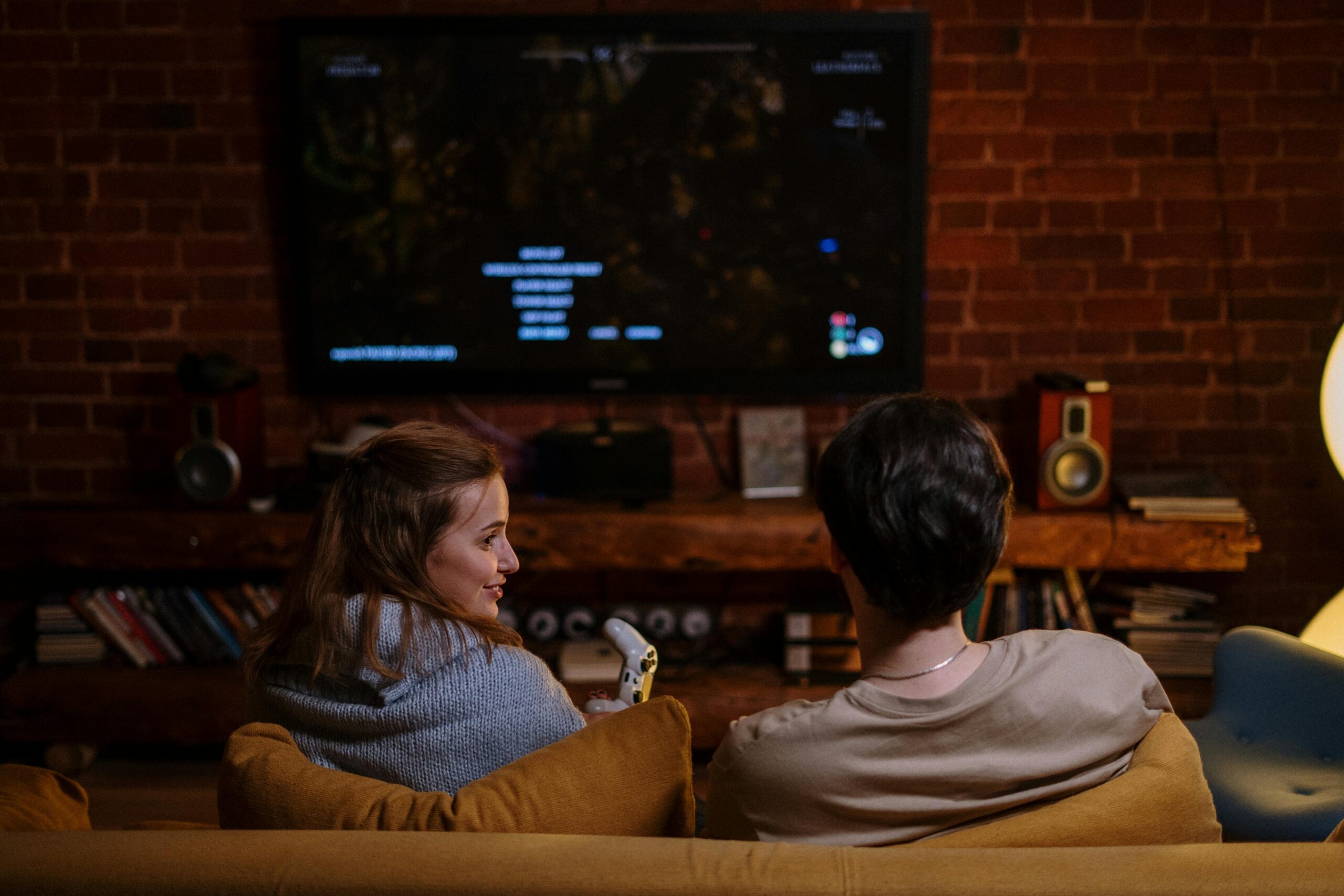
And if I’m honest about it, being able to game with my friends is something that drew me closer to the console experience and kept me loyal to it over the decades. You know that feeling when you stay on a game longer than you know you should because the laughs and jokes with your boys feel long overdue? Waiting in the lobby because one of your friends is late? Adjusting your headset and hearing everyone’s voice for the first time in a while? Convincing each other to run it back one more round? Y’all, that is the best feeling! Whether it was back in ‘99 and the squad linked up in the same room to play Crash Team Racing, or more recently through online play, we never called it bonding. We didn’t refer to our time together as intimate (that’s not a word many men use outside of romantic relationships). We just called it hopping on the game.
“For a lot of us, gaming was never just a hobby. It was a space where we felt free from the performance of masculinity, where we let our guard down and felt valued and valuable.”
I watched a video the other day that moved me to think a lot, particularly about the ways in which we, as men, have been socialized. A gentleman, headset-on, accompanied by visible frustration after a losing streak, boldly claimed with a calming, confident tone that “women are ruining gaming.” Now, to be clear, I have no desire to tear him down or criticize him as a content creator who shares his experience and thoughts with his audience. Again, this guy was visibly frustrated, confused, and grasping for conclusions to express his feelings. That’s real. It’s something many men have felt and done.
While he elevated his frustration with women, I couldn’t help but focus on him and how we’ve both been influenced by The Man Box. When men say “women are ruining gaming,” what they might really mean is, “I don’t know how to belong here anymore because I don’t feel I have many places I can go and just be me in the presence of others.” That’s hard to admit, because for a long time, the world taught us that belonging came from control. That being a man meant leading the room, dominating the outcome, and keeping the rhythm. The collective socialization of boys and men teaches us that women are of less value than men, and the only emotions that men are allowed to openly share are anger and aggression.
For a lot of us, gaming was never just a hobby. It was a space where we felt free from the performance of masculinity, where we let our guard down and felt valued and valuable. Trash talk was how love and appreciation were communicated and shared. Loyalty and connection were built without ever naming it. And when the terms and conditions of that space feel like they must change, it can feel like something sacred is slipping away.
But maybe nothing is being lost. Maybe an invitation to reimagine and grow is being extended to all of us. Women have not ruined anything. The Man Box has limited our ability to seek and develop meaningful friendships and third-places.
We also know that 1 in 7 men report having no close friends. Data continues to emphasize that men are less likely to seek emotional support, and they receive emotional support 50% less than women in friendships. Men are often socialized to seek intimate connections in groups (athletic teams, fraternities, group chats). So when something like a gaming space changes, things can feel slightly off, but not for the reasons we may assume at the surface. We mistake that shift for a threat out of fear, protection, and control, while blaming women for simply having the same interests, hobbies, and skills. But stand to gain something valuable by looking deeper and examining ourselves.
Someone much wiser and older once told me, “The things we can easily point out in others or blame them for are usually reflections of things within us we are having a hard time facing and living with.” The things we love about gaming don’t disappear because more women and girls are entering the space: camaraderie, the inside jokes, the way it makes us feel seen, held, and heard. It just sheds light on the limitations of traditional masculinity while extending an invitation for us to start doing things differently.
I’ve been where this guy was myself. My confusion about how to connect when I felt the room shift has gotten the best of me in the past. I’ve felt the weight of gaming becoming a task to get through unscathed, when in other instances it feels like a reprieve from daily stressors with ‘just the fellas.’ I understand now that women never have and never will be “the issue.” The issue was always the narrow restrictions I felt placed on me as a man to be vulnerable, express myself, and be myself without consequences.
This isn’t a callout. It’s a check-in. Who are we as men when it’s just us, and who are we in the presence of women? What does it require of us to remain curious without shutting down in these instances? How do we begin rewriting the scripts and introducing counter-narratives for the next generation of manhood so more boys and men are provided the opportunity to be their authentic selves?
Could we blame women for the deeper factors we face, out of some false sense of duty as gatekeepers? Uh, maybe. Or could we also choose to address the deeper issues of men’s loneliness, low emotional support, and the constraints of the Man Box?
When we lean into those questions and thoughts, we don’t lose the game. We expand it to new levels.